Decision guideUpdated August 10, 20261 exact Amazon listing
Toilet auger: when the bowl is the access point
A closet auger fits the toilet trap when the bowl is the access point and the clog matches the tool's reach. Cable protection and bowl clearance matter as much as length. If the clog persists or the line path is uncertain, stop instead of forcing the cable.
The decision
The guarded bend is the point
A toilet auger is short on purpose. Match reach and handle to your toilet. Stop before a deeper line problem becomes a wet repair.
The choice
Toilet auger
General drain snake
Access
Bowl and toilet trap
Sink, tub, or cleanout
Protection
Guarded bend protects porcelain
Cable can scratch or catch the bowl
Reach
Short, targeted run
Longer cable for compatible drains
Best fit
Toilet blockage
Non-toilet drain blockage
Exact Amazon listings
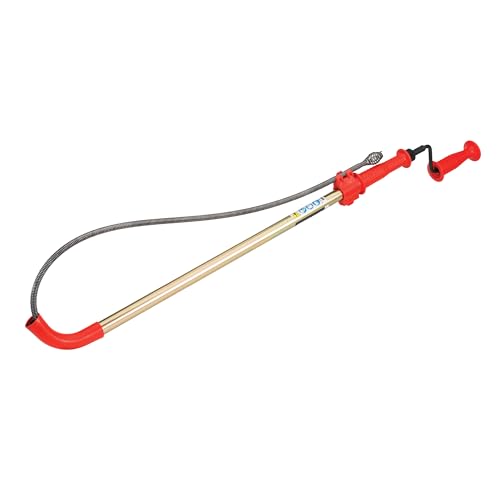
One listed closet auger
As an Amazon Associate we earn from qualifying purchases.
Six-foot closet auger with a protected cable path for toilet-trap work. The reach targets the trap, not a whole-house drain run. Seat the bowl guard and use the handle as shown in the manual. Confirm the current listing's exact handle and cable configuration before you buy.
Lay down a washable mat and keep gloves, a bag, and disinfectant within reach. Seat the guard centered so the cable does not scrape the bowl. Advance and retract with control; stop if the cable binds or the bowl moves. Clean and dry the auger outside the living area before storage.
Decision checkpoints
Start with the simplest tool that matches the clog
A plunger is the first tool for many ordinary toilet clogs because it moves water and pressure without sending cable through the trap. A closet auger is the next step when the blockage needs mechanical reach. Repeated clogs or backups elsewhere point beyond the bowl.
Six feet of reach is a design choice, not a flaw. It keeps the tool on the toilet and reduces the temptation to treat a branch or main-line problem as a bigger cranking job.
Start simple
Plunge when the bowl is workable
Use the correct plunger shape, control the water level, and stop if the toilet or seal moves.
Add reach
Auger for the trap
Seat the guard, turn with control, and bag the wet tool as soon as it leaves the bowl.
Escalate
Call when the pattern repeats
Multiple slow fixtures, sewage, leaks, or a cable that will not return need a plumbing diagnosis rather than more force.