
The repair or cleanup you do every month matters more than the longest feature list.
Home setup field guides
Finish the small jobs without buying the wrong tool.
Name the job that keeps coming back before you browse tool categories. A shared battery platform can cut down on chargers, but a corded tool may be simpler if you do not want another battery on a shelf. Whatever you buy, know where it lives, how it charges, and what the next person needs to run it safely.
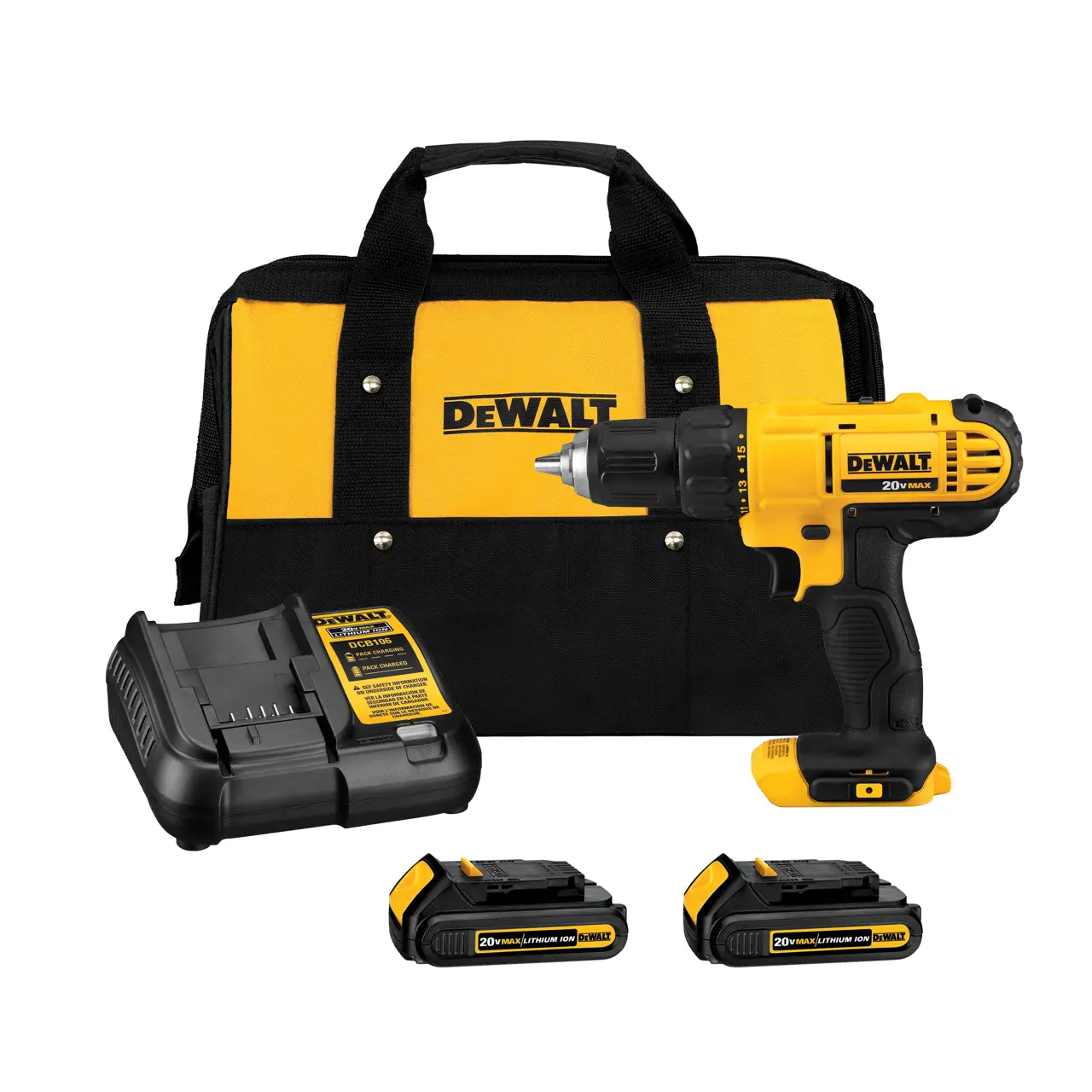
One battery family only pays off when the tools, voltage, and charging spot actually match.
Drying, maintenance, cord routing, and shelf space are part of the purchase, not an afterthought.
Choose by problem
Diagnose a household water problem.
These tools do different jobs. A moisture meter reads a wall or material. A leak sensor alerts you to standing water. A dehumidifier pulls humidity from the air. None substitutes for the others.
Standing water → puck/rope first; wall dampness → meter; humid air → dehumidifier.
MeasurePin vs. pinless moisture meterWall or material reading without naming the leak source.Open the moisture guide
AlertPuck vs. rope leak sensorGeometry first: one low point or a sensing cable path.Open the leak-sensor guide
RemoveBasement dehumidifierDrain path, capacity, and unattended operation after the moisture job is clear.Open the dehumidifier guide
Compare
Use the comparison pages that already exist.
FastenerDrill vs. impact driverChuck and clutch versus hex impact. The first household tool is still the drill.Open the drill comparison
Battery platformEGO 56V platformChoose the first EGO kit by the job that repeats. There is no EGO-versus-Ryobi URL on this site.Open the EGO guide
Wall moisturePin vs. pinless meterScan without marks, or accept small holes for a point reading. A meter does not name the leak.Open the moisture comparison
Leak pathPuck vs. rope sensorOne low point versus a sensing cable. Geometry first; the app second.Open the leak-sensor comparison
Choose the job
Twenty-two guides by job type.
RepairCordless drillCompare compact 12V control with a 20V platform. Check chuck size, speed, clutch range, kit contents, and storage.Open the drill guide
WashElectric pressure washerRead rated and maximum output separately. Match hose, spray tips, water path, and storage to the surface.Open the washer guide
ClearBattery leaf blowerCompare airflow, airspeed, runtime, weight, nozzle control, and the battery platform behind the cleanup.Open the blower guide
PressurizeGarage air compressorChoose a pancake or quiet rolling tank by pressure, flow, sound, tool needs, and storage.Open the compressor guide
MowSmall-yard cordless mowerCompare deck width, battery kit, cut modes, height range, runtime claims, and folding storage.Open the mower guide
PlatformEGO 56V platformChoose the first EGO tool by recurring work, exact kit, battery path, storage, and handoff. Follow the mower, blower, and multi-head spokes.Open the EGO guide
EGO tool paths
EGO / MowEGO mower guideChoose the mower by deck width, drive control, battery kit, lawn size, storage, and the cut routine. Skip the kit when those limits do not match the lawn.Open the EGO mower guide
EGO / Clear + trimEGO blower and trimmer guideCompare a combo with separate tools by cut width, airflow, battery size, runtime, and the reset between jobs. Choose separate tools when both jobs need to run at once.Open the EGO blower/trimmer guide
EGO / Swap headsEGO multi-head guideChoose a shared power head when attachment swaps, storage, and future jobs make one battery path worthwhile. Skip it when two tools need to run at once.Open the EGO multi-head guide
RecoverWet-dry shop vacMatch tank, hose, cord, filter path, wet pickup, car reach, and the emptying routine to the mess.Open the shop-vac guide
TrimCordless string trimmerCompare 12-inch cut paths, 20V versus 40V platforms, edging control, kit contents, weight, and line reset.Open the trimmer guide
LightGarage work lightChoose a directional spotlight or self-contained task light by beam, mounting, modes, battery, and repair reach.Open the work-light guide
StoreGarage storage shelvingCompare wire-rack footprint, height, shelf load, casters, leveling, bin fit, and the unloaded reset.Open the shelving guide
DryBasement dehumidifierChoose a 50-pint unit by pump, hose, bucket, Wi-Fi, clearance, airflow, and the moisture boundary.Open the dehumidifier guide
InvestigatePin vs. pinless moisture meterChoose a non-marring scan or point reading by surface, access, depth, material scale, and the limit of one signal.Open the moisture-meter guide
WatchPuck vs. rope leak sensorChoose sensor geometry by the water path, local alarm, hub, Wi-Fi, internet, and the reset another adult can repeat.Open the leak-sensor guide
BuildGarage workbenchCompare top depth, height, load rating, storage, casters, and the floor area left around the project.Open the workbench guide
DriveImpact driver versus drillChoose a drill for control and an impact driver for repeated high-resistance fasteners.Open the drill comparison
AlignCross-line laser levelCompare beam visibility, self-leveling, mounting, battery path, and the room where the line must be seen.Open the laser guide
ClearDrain snakeMatch cable size, length, access point, hand feed, drill assistance, and the plumber boundary.Open the drain snake guide
UnblockToilet augerUse the bowl-shaped tool for toilet-trap clogs, with guarded cable, short reach, and contained cleanup.Open the toilet auger guide
Move airGarage fanCompare diameter, speed control, tilt, wall or floor placement, cord route, and storage.Open the garage fan guide
Shared-tool reset
Where the charger lives matters.
A battery drill is useless if the charger is in the garage and the bits are in a kitchen drawer. Label the GFCI outlet, hose route, and drying spot for corded tools so someone else can set up without guessing.
- Match the surface to the tool.Patios, driveways, cabinets, and gravel each need different attachments and safety limits.
- Route power before you start.Battery tools need a charging home. Corded tools need an outlet and extension path that matches the manual.
- Check reach and runtime.Hose length, cord length, nozzle distance, and battery capacity should cover the whole job with room to spare.
- Reset for the next person.Dry the washer, clear the blower intake, return drill bits to the case, and leave one obvious starting point.
Loadout logic
Store tools near the work they do.
A compact drill belongs near hardware and anchors if shelves and furniture are your common jobs. Keep the pressure washer close to its water source, GFCI outlet, hose, and drying spot. Park the blower near the door or garage path where debris actually starts, with eye and hearing protection ready.
FAQ
Common questions
Should I buy the drill first?
Only if indoor repairs are your most frequent job. A compact drill covers shelves, hardware, and furniture. Outdoor tools need more storage and a clearer seasonal reason to exist.
Can one battery platform cover every tool?
When the voltage and battery family match across the tools you actually buy, yes. You trade flexibility for fewer chargers, so count the second and third tool before committing.
Where should the tools live?
Near the work: drill by repair supplies, washer by the hose and outlet, blower by the debris path. If someone has to hunt for it, the setup will drift.